
SEACON 2026

Oxford EARTH Deep Sea Mining Conference
Image
seacon website invite banner

Overview

SEACON 2026 will explore the complex and often controversial geopolitical, technical, and environmental challenges surrounding the recovery of critical raw materials from deep sea environments.

SEACON 2026 is an in-person, one day multidisciplinary conference that will bring together experts from industry, government, international organisations, and academia. 

Speakers will address a range of topics across four interlinked sessions:  

  • Deep Sea Minerals, Environment & Technology
  • Industry & Finance
  • National Perspectives
  • Policy, Legal & Governance

Download the conference programme

SEACON 2026 welcomes attendees holding diverse views on natural resources, global supply chains and deep sea mining to facilitate an informed and respectful exchange on a topic that is significant and timely.


This event is held under the Chatham House Rule. Registration constitutes agreement to comply with this rule.


Review all event rules

Want to leave feedback on this event? Please use this form

Speakers

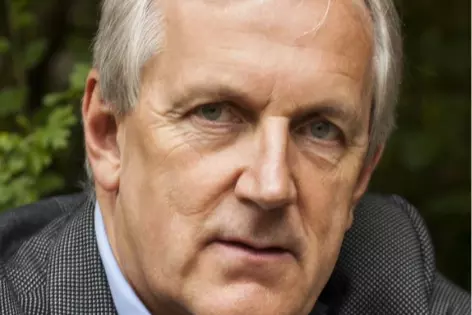
julian

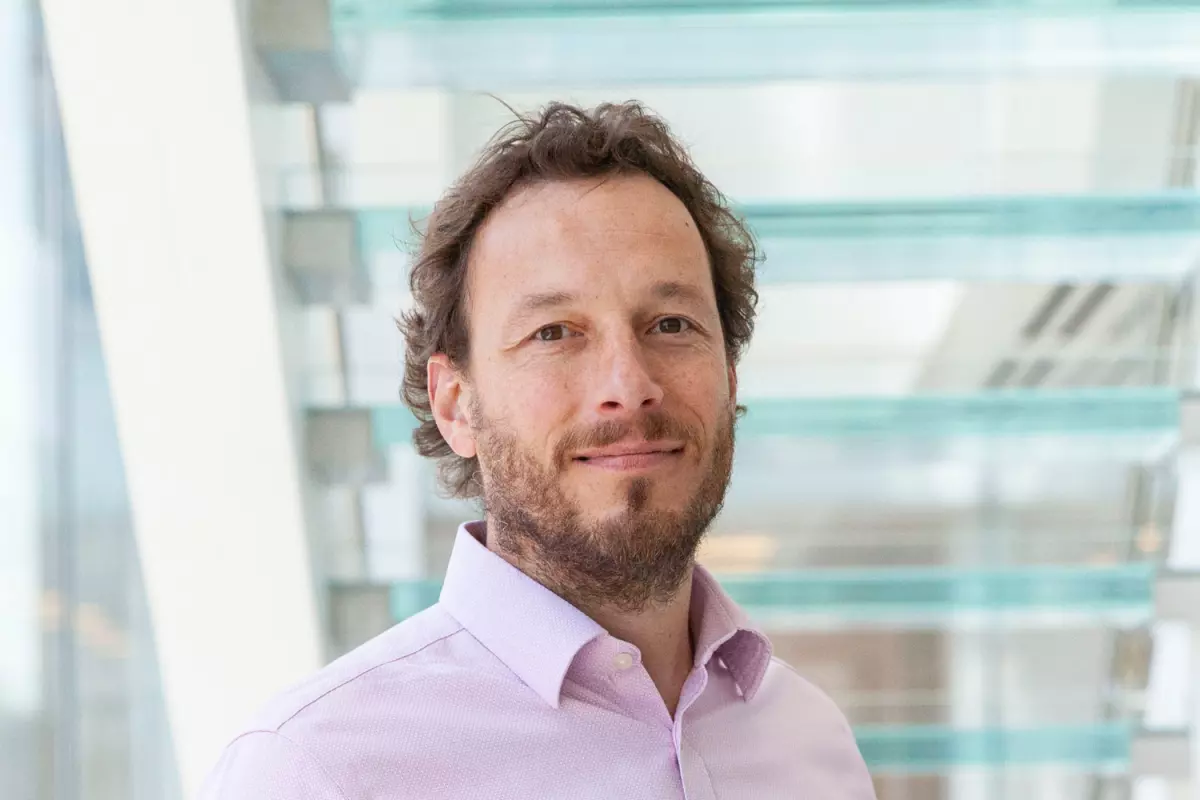
Julian Jackson

Head of Pew's work to safeguard the marine environment, advocating for precaution in the development of a management regime for deep seabed mining at the International Seabed Authority. He also leads engagement in Europe on Pew's campaign to protect ocean life on the high seas. Before coming to Pew, Jackson was a civil servant with the U.K. government, working on international agriculture and biodiversity policies. He led the U.K.'s delegation to various international negotiations with the United Nations Food and Agriculture Organization and the Convention on Biological Diversity.
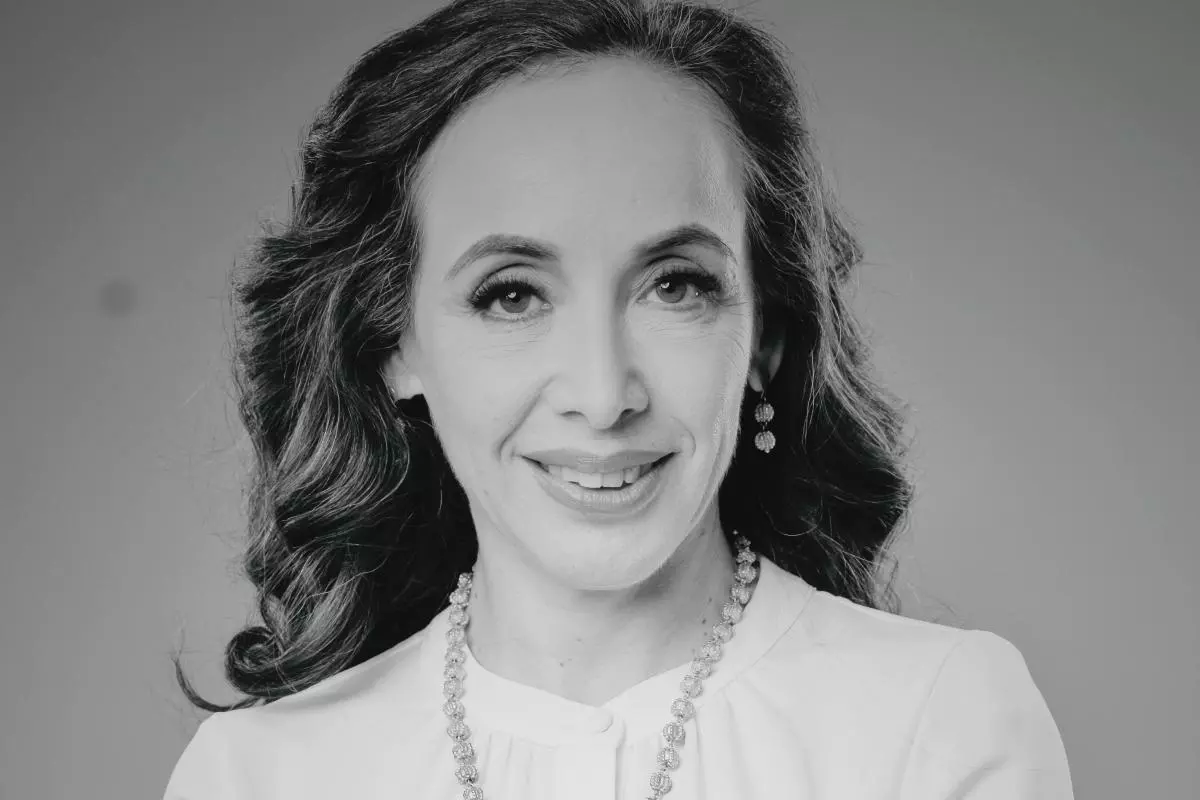
Mariana Durney
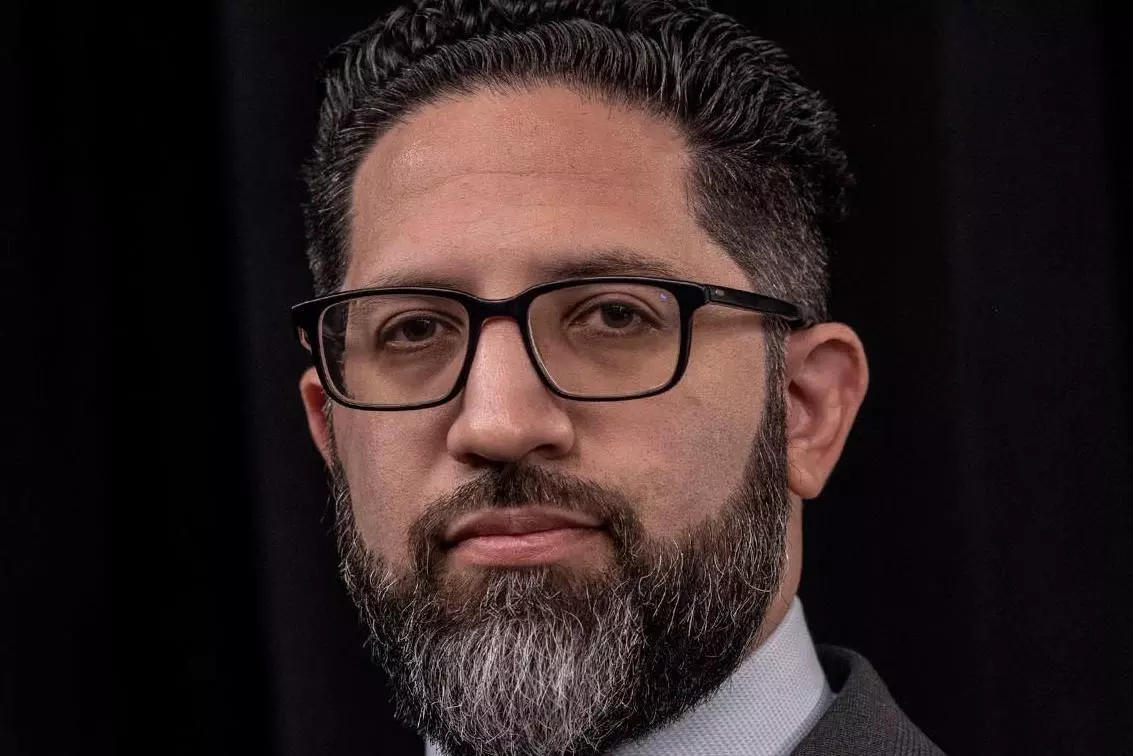
Mariana Durney

Legal Counsel and Director of the Office of Legal Affairs at the International Seabed Authority (ISA). Mariana is an expert and advisor in Public International Law and the Law of the Sea, with over 25 years of experience in international affairs. She has had a distinguished career as legal counsel and advisor to both national governments and international organizations, holding high-level positions and actively participating in bilateral and multilateral international forum. She is also Professor in the Department of Public International Law at the Pontificia Universidad Católica de Chile.
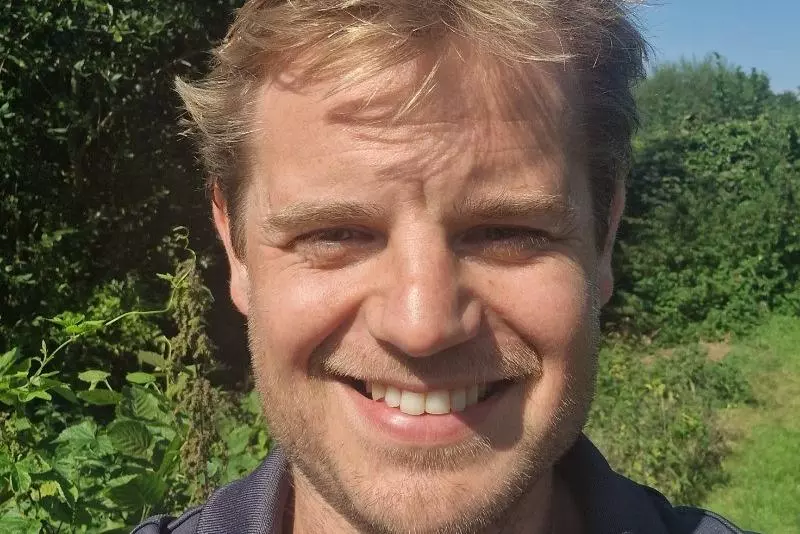
fabian v

Dr Fabian Villalobos

Senior engineer at RAND and professor of policy analysis at the RAND School of Public Policy. His work examines the intersection of technology, economics, and geopolitics, with a focus on national security. He specializes in U.S.–China techno-economic competition, industrial policy, industrial value chains, technology and global trade, military acquisition and sustainment, technological risk and their implications for defense industrial base and economic security.
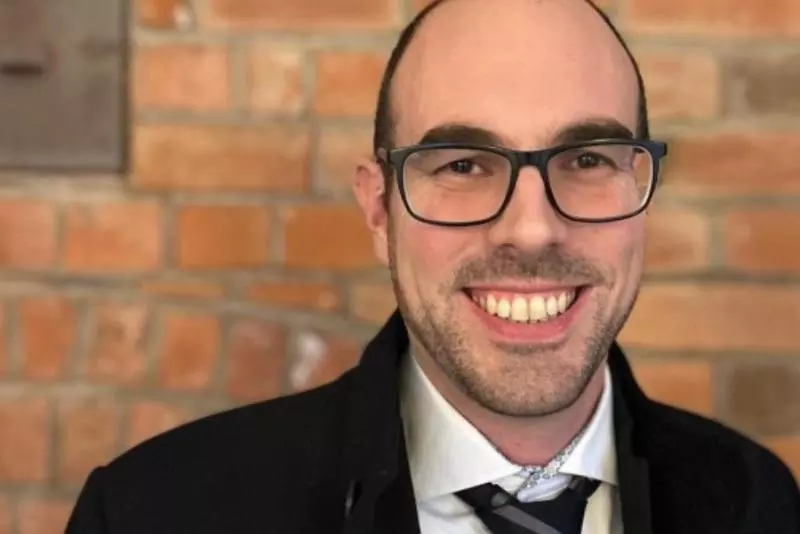
Dan Jones

Professor Daniel Jones

Strategic Lead of Biodiversity at the National Oceanography Centre, Southampton, UK. His research focuses on temporal and spatial dynamics in deep-water ecosystems, including anthropogenic disturbance, and he has authored over 160 papers. He has taken part in 38 seagoing expeditions, including the Pacific Clarion Clipperton Zone and the Mid-Atlantic Ridge. He advises government on sustainable offshore management and plays a key role in international research on deep-sea mining. He leads the £5M UK research programme SMARTEX, investigating ecosystem responses.

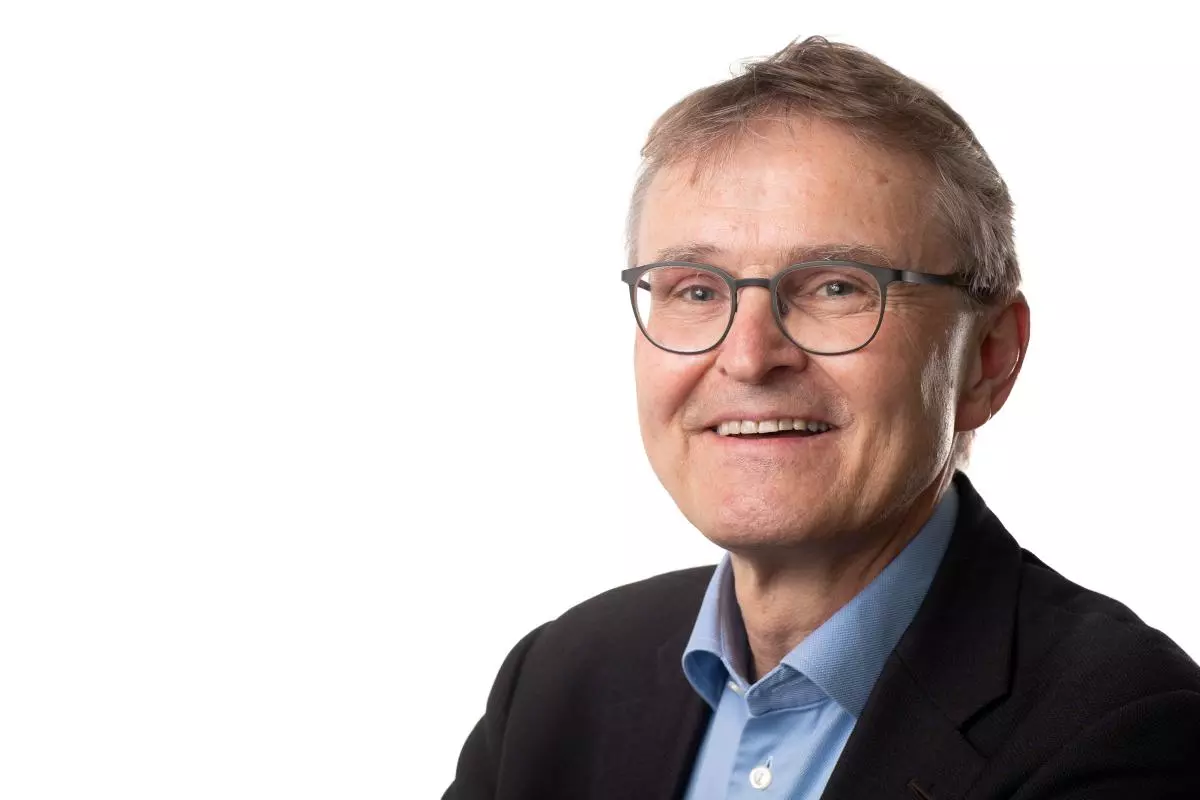
fumio inagaki

Professor Fumio Inagaki

Geomicrobiologist and Vice Director of the World Premier International Research Center Initiative (WPI) Advanced Institute for Marine Ecosystem Change (AIMEC), co-hosted by Tohoku University and the Japan Agency for Marine-Earth Science and Technology (JAMSTEC). He is Project Leader for Ocean Basalt CCS Basic Research under the Cross-ministerial Strategic Innovation Promotion Program (SIP-Ocean) of the Cabinet Office of Japan. His research uses scientific ocean drilling and transdisciplinary approaches to study deep microbial life, marine ecosystem responses to Ear
fatima umaru shinkafi

Hajiya. Fatima Umaru Shinkafi

Chief Executive of the Solid Minerals Development Fund, a government-owned Fund established to drive investments in Nigeria's mining sector. As a funding vehicle, SMDF's key role is to maximise recovery of mining investments to drive sector growth. Under Haj Fatima's leadership more than US$500m-600m of projects have been identified across formalisation, data development, production and processing. She has championed the restructuring of the Fund to provide access to capital, attract quality partnerships, and fast-track commercial-scale mining projects in Nigeria.
catherine r

Emeritus Chichele Professor Catherine Redgwell
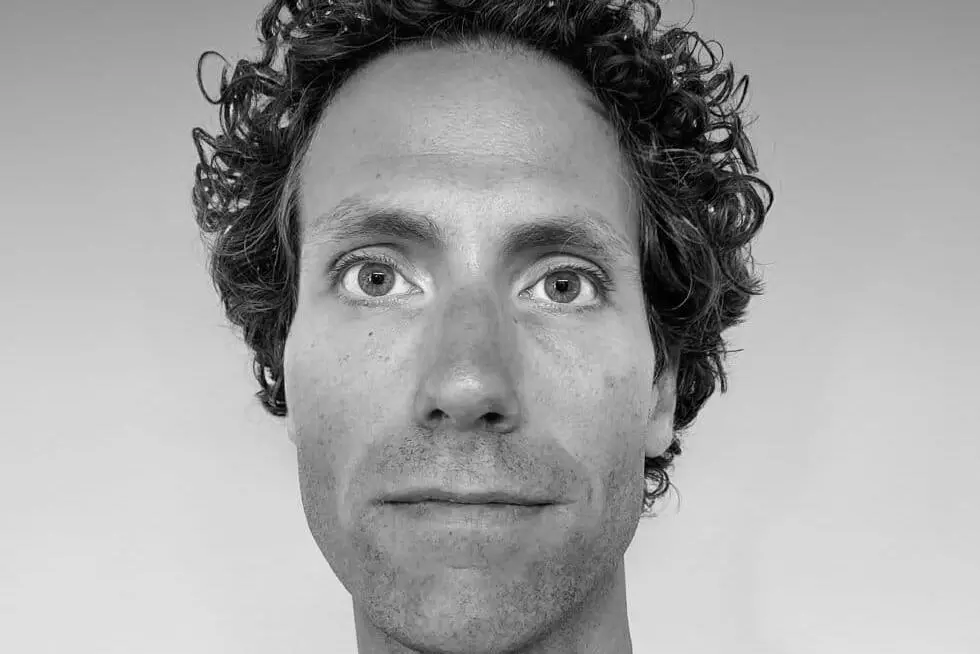
Emeritus Chichele Professor of Public International Law at the University of Oxford and previously the Co-Director of the Oxford Martin School's Sustainable Oceans Programme. Prof Redgwell is leading authority on international environmental, energy, and law of the sea issues, she is co-author of major texts on international environmental law and has extensive expertise in the regulation of marine natural resources.
Rutger Bosland

Rutger Bosland

Project Manager with extensive experience in deep-sea mining, heavy lift engineering and naval architecture. He has a strong track record of leading large-scale, technology-driven projects and managing multidisciplinary teams across the maritime and offshore industries. He led the development and execution of TMC's Allseas-designed nodule collection system during Nori's 2022 test mining campaign. Previously, he spearheaded the technical and operational development of the single lift concept for decommissioning offshore oil and gas platforms aboard the Pioneering Spirit.
Siddarth headsdhot

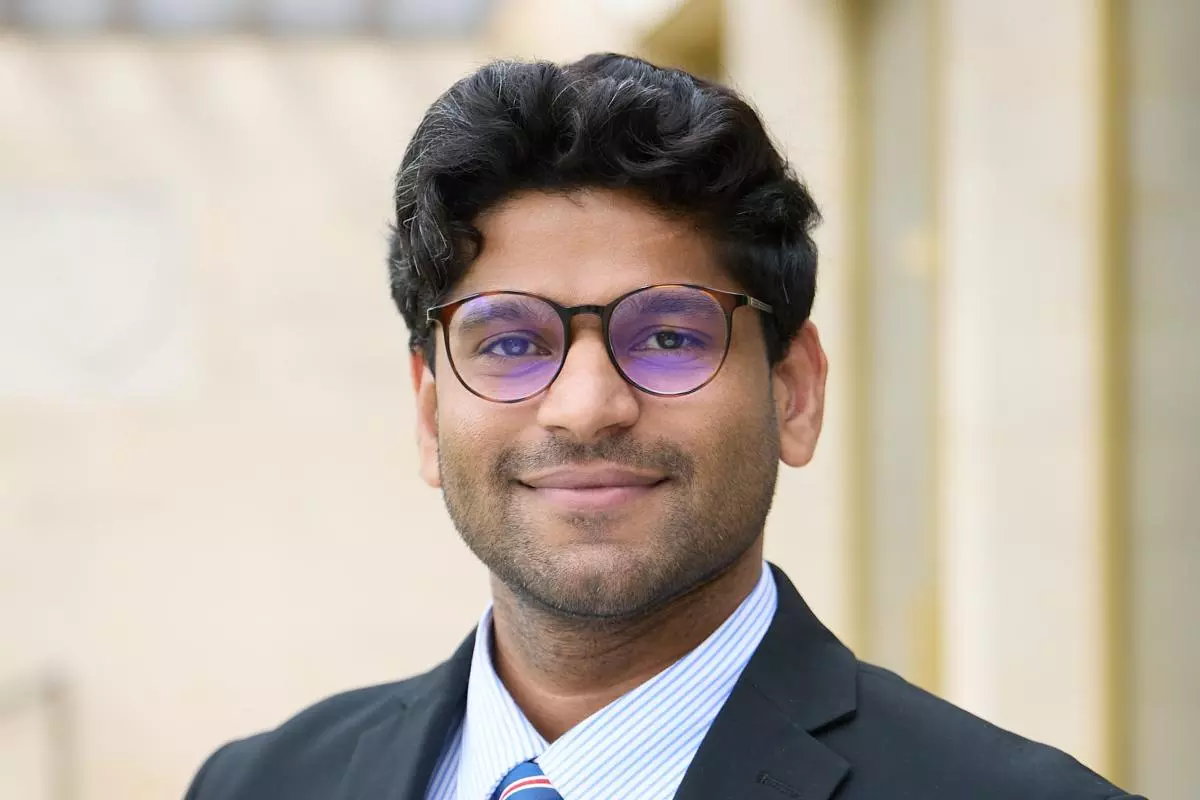
Siddharth Shekhar Yadav

Serviced Emissions Research and Engagement Manager at Oxford Net Zero, University of Oxford. Previously, he served as a diplomat at the United Nations headquarters in New York, advising the UN Ambassador of Vanuatu on climate change and ocean affairs. Notably, he was Vanuatu's official representative to the International Seabed Authority in Kingston, Jamaica, and diplomatic advisor to Vanuatu's Minister of Climate Change. He supported Vanuatu and the wider Pacific Small Island Developing States (PSIDS) group in multilateral negotiations and intergovernmental processes across the UN system.
Bramley murton headshot

Professor Bramley Murton

Professor of Marine Geology at the National Oceanography Centre, leading the UK national research effort on deep-sea mineral resources. He has 30 years of experience researching oceanic crust formation, seafloor spreading and hydrothermal activity, and has published over 120 peer-reviewed papers and authored technical reports for the International Seabed Authority. He advises the UK government and industry on deep-sea minerals and mining strategy and has led research programmes developing exploration methods and impact monitoring for deep-sea mining.
richard h

Professor Richard Herrington

Based at the Natural History Museum, with honorary positions at the University of Exeter and Imperial College. Prof Herrington is trained as an economic geologist, and has 45 years of mineral deposit experience, including extensive industry exploration. As lead scientist for NHM's “Resourcing the Green Economy” research theme, he focuses on the discovery and recovery of critical metals, addressing environmental and social impacts of mining and promoting regenerative, cradle-to-cradle approaches to resource supply.
chris williams

Chris Williams

CEO of UK Seabed Resources (UKSR), a wholly owned subsidiary of Glomar Minerals, which holds two International Seabed Authority–regulated exploration contracts for polymetallic nodules in the Clarion Clipperton Zone of the Pacific Ocean, sponsored by the UK Department for Business and Trade.  Chris has over a decade of experience leading seabed minerals exploration companies and involvement in the International Seabed Authority, including as a member of the UK delegation. He was previously a policy civil servant at a number of UK government departments, most recently the Cabinet Office. 
pierre josso

Dr Pierre Josso

Senior Geoscientist and Deputy Director of the UK Critical Minerals Intelligence Centre at the British Geological Survey. Dr Josso has more than a decade of experience in deep-sea mineral systems and has led and contributed to major UK-funded research programmes, with a sustained focus on polymetallic nodules, ferromanganese crusts and seafloor massive sulphide deposits. His work examines how environmental and oceanographic controls influence their formation, distribution, preservation and metal enrichment, to improve mineral prospectivity models and resource characterisation.
Egil Tjaland

Dr Egil Tjåland

Secretary General of the Norwegian Forum for Marine Minerals (NMM) and an Associate Professor in the Department of Geoscience at the Norwegian University of Science and Technology. In his role with NMM, he brings together industry and research actors to build knowledge, collaboration, and expertise for the sustainable and responsible exploration and extraction of marine mineral resources in Norway.
Nicolas Goffaux

Nicolas Goffaux

Asset Leader with MineSpans, McKinsey's market intelligence platform for the metals and mining sector. In addition to his work on identifying and reporting on the latest disruptive trends in the industry, he has analyzed a wide range of sectors, including aluminum, iron, gold, tin, and mineral sands. Over the past five years, he has focused on battery materials—such as lithium, nickel, cobalt, manganese, and graphite—where he develops detailed supply and demand forecasts, comprehensive cost models, and ESG-related data and insights.
Stuart Robsinson Headshot

Professor Staurt Robinson

Professor of Sedimentology and Stratigraphy at University of Oxford. Stuart's research focuses on Earth history and aims to understand the operation of the Earth system under high CO2 levels of the past. To do this, he uses deep-sea deposits as archives and has sailed on two scientific ocean drilling expeditions to recover sediment cores. He has been an active participant in the organisation of scientific ocean drilling. Currently, he is also participating in a project on NetZero education in schools and contributing a chapter on deep-ocean deposits for an undergraduate text book.
Tamsin Mather

Professor Tamsin Mather

Tamsin is Professor of Earth Sciences at the University of Oxford. Her research centres on volcanoes and is motivated by understanding them as hazards, resources and agents of local to planetary-scale environmental change or maintenance. Alongside her research, Tamsin is a passionate advocate for science communication and diversity in STEM. She also sits on various advisory boards for UK government and more recently a venture capital fund focussed on promoting diversity and environmental solutions within its portfolio.
jonathan blundy

Professor Jonathan Blundy

Royal Society Research Professor at the University of Oxford and Oxford EARTH Research Director. Jon is a volcanologist most noted for advancing the understanding of how magmas are generated in Earth's crust and mantle and of the processes that occur beneath volcanoes prior to eruption. He uses methods drawn from physics, geology and geochemistry to address the fundamental problem of how volcanoes work. He is co-founder of Oxford spinout company, Ascension Earth Resources.
David Socol de la Osa

David U. Socol de la Osa

Senior Associate at Oxford EARTH and an Assistant Professor of Law & Technology at Hitotsubashi University in Tokyo. His work focuses on law, technology, and the evolving dynamics of corporate and international economic governance. Through Oxford EARTH, his research examines critical mineral supply chains and the geopolitics of sustainable resource management, exploring how legal and institutional frameworks can advance equitable, resilient, and sustainable approaches to the global energy and technology transitions.
Gideon Henderson Headshot.

Professor Gideon Henderson

Gideon is an environmental scientist with particular expertise as a geochemist researching surface-earth processes related to climate, the carbon cycle and the oceans. In 2017 he chaired a Royal Society report on Future Marine Resources, commissioned by UK Government, the deep-sea-mining component of which he was subsequently questioned on at a Parliamentary Select Committee and in multi-government forums. From 2019 to 2025 Gideon working as the Chief Scientific Advisor and Director General for Science and Analysis at the UK Government Department, Defra.